Categories Latest News

When to Call a Wildlife Removal Service in Florida

When to Call a Wildlife Removal Service in Florida

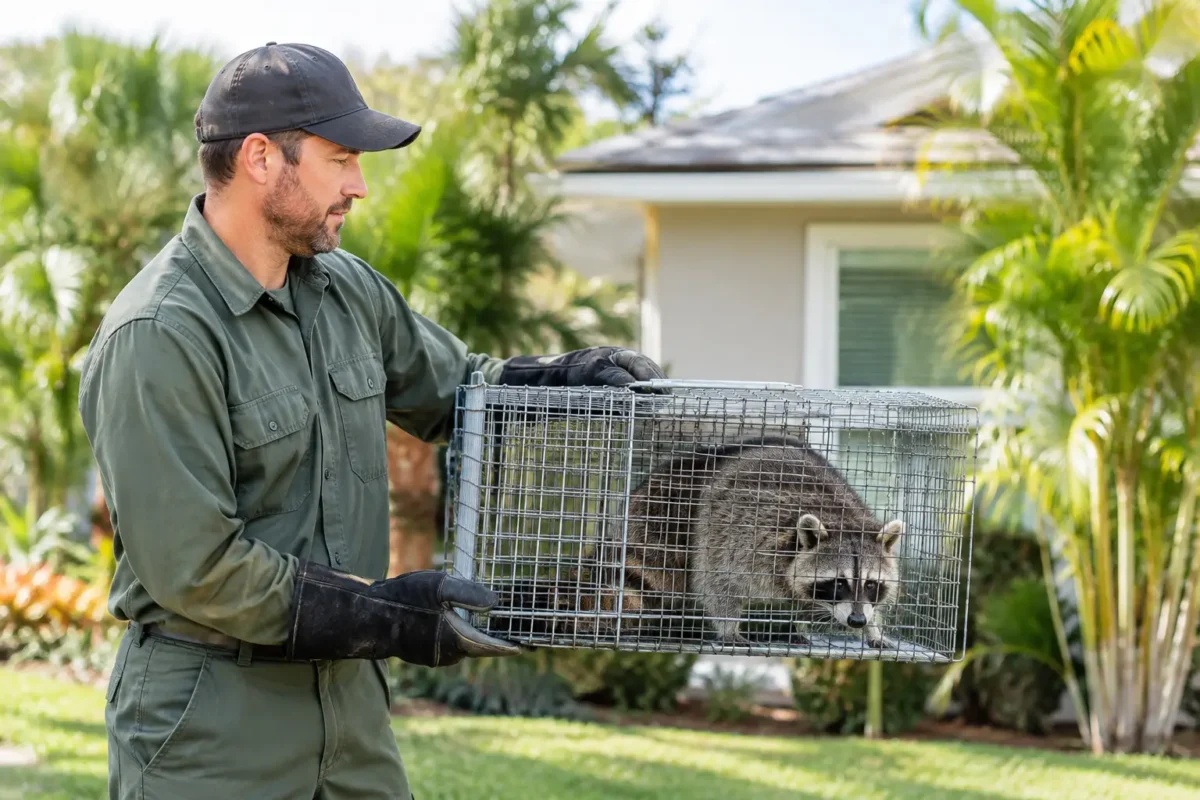
That scratching above the ceiling at night or overturned trash bin in the morning can be more than a nuisance. A professional wildlife removal service helps identify what is visiting or living on your property, remove it humanely and lawfully when appropriate, and address the conditions that allowed the problem to start.

In Northeast Florida, warm weather, seasonal rain, mature trees, waterways, and expanding neighborhoods keep wildlife active throughout much of the year. Raccoons, squirrels, opossums, armadillos, and snakes can all turn up near homes, businesses, garages, attics, crawl spaces, sheds, and outdoor living areas. The right response depends on the animal, where it is located, and whether it has access to the building.

Wildlife Around Your Property Is Not Always an Emergency

Seeing a wild animal outdoors does not automatically mean removal is needed. Many animals simply pass through yards while looking for food, water, or cover. An opossum crossing the patio after dark or an armadillo moving along a fence line may be a short-term visitor, especially near wooded lots and drainage areas.

A concern becomes more urgent when an animal is inside a structure, repeatedly returning to the same area, damaging the property, or behaving unusually. Wildlife can tear soffits, move insulation, chew materials, contaminate storage spaces, disturb pets, and create persistent noise. Animals that den in attics, wall voids, chimneys, crawl spaces, or beneath decks deserve prompt attention before the situation becomes harder to resolve.

Snakes require extra care. Florida has many nonvenomous snakes that help control rodents and other pests, but homeowners should never try to identify or handle an unfamiliar snake from a close distance. Keep people and pets away, observe from a safe location if possible, and contact a qualified professional when a snake is inside, near a high-traffic area, or creating a safety concern.

Signs You May Need a Wildlife Removal Service

The clearest sign is direct evidence of an animal inside the home or commercial building. You may hear scurrying, thumping, or scratching in an attic after sunset or early in the morning. Squirrels are often active during daylight hours, while raccoons and opossums are more commonly heard at night. The timing can help, but it should not be treated as a final identification.

Physical changes around the exterior matter, too. Look for disturbed vent screens, bent soffit panels, gaps at rooflines, torn duct covers, loose crawl-space vents, or openings around utility lines. Raccoons can use surprisingly small weak points, and squirrels may enlarge an existing gap. Fresh digging under a porch, shed, or slab may point to armadillo activity or another animal seeking shelter.

Odors, droppings, damaged insulation, and nesting material also deserve a professional inspection. These signs can overlap with rodent activity, so guessing can lead to the wrong solution. A technician can assess the evidence, identify likely entry points, and recommend a property-specific plan.

For businesses, it is especially wise to act early. Wildlife activity near dumpsters, loading areas, roof access points, or food storage areas can disrupt operations and create sanitation concerns. Property managers and landlords should also address reports quickly, since a small exterior opening can affect multiple units or common areas.

What a Professional Wildlife Removal Service Should Address

Removing or excluding the animal is only one part of the work. Long-term control starts with understanding why the animal selected the property in the first place. Food sources, standing water, shelter, easy roof access, and unsealed openings can all contribute.

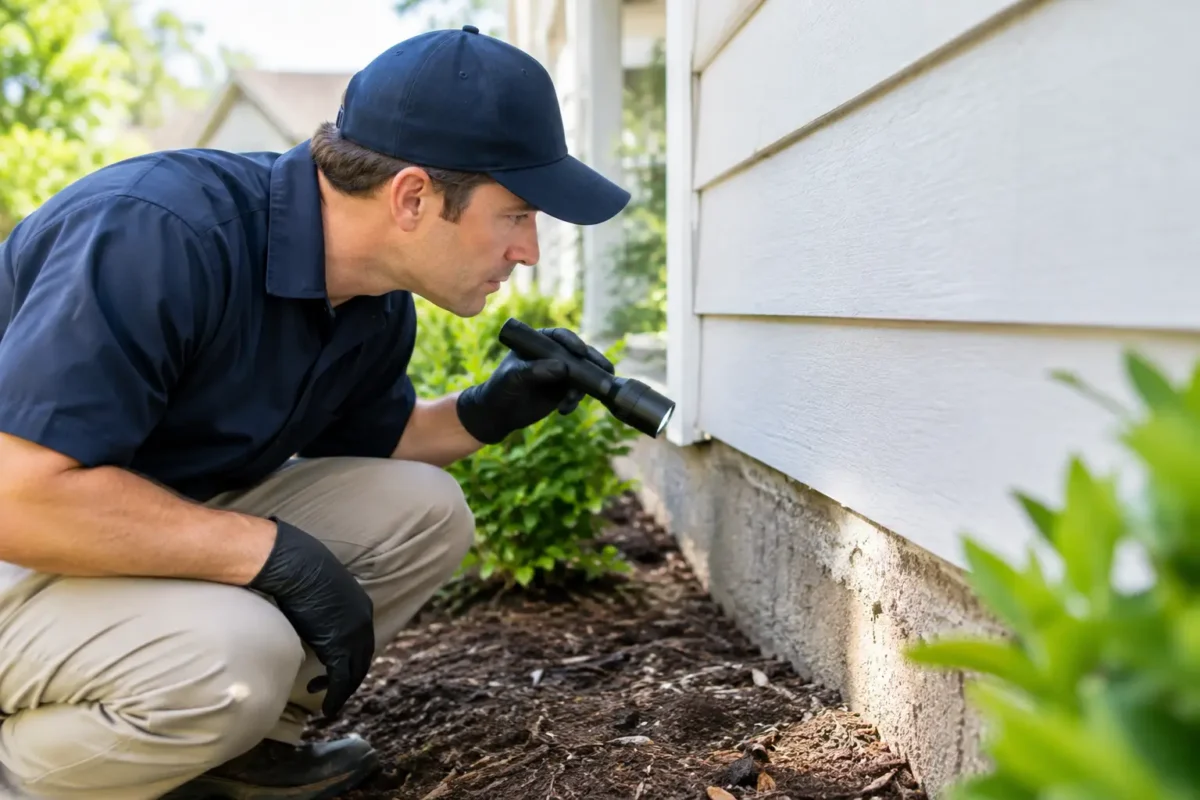
A thorough service generally begins with an inspection of the affected area and the exterior. The goal is to identify the animal involved, locate active entry points, check for vulnerable areas, and determine whether young animals may be present. Timing matters because wildlife activity and nesting periods can affect how exclusion work should be handled.

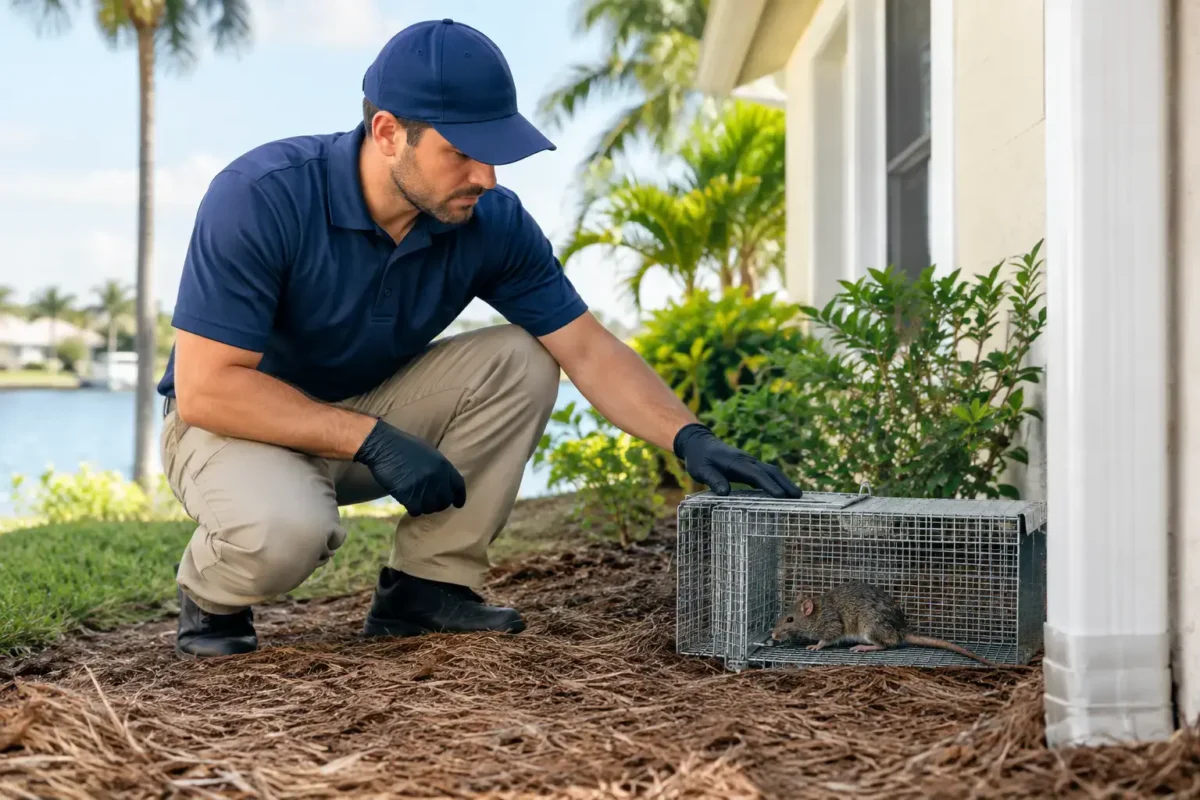
Humane, lawful removal methods should be selected based on the situation and applicable Florida requirements. Some animals are protected or regulated, and improper trapping, handling, or relocation can create legal and animal-welfare issues. That is one reason a professional approach is safer than trying to solve an attic or crawl-space problem with an improvised trap.

After the animal is no longer using the space, exclusion is often the most valuable next step. This may involve repairing access points, securing vents, reinforcing weak areas, or recommending repairs to damaged materials. A wildlife removal service should also explain what it found in plain language, including which repairs are needed now and which preventive improvements would reduce future risk.

Prevention Starts at the Outside of the Building

Wildlife prevention is not about making a property sterile. It is about limiting easy opportunities for animals to enter structures or settle close to them. In St. Johns County communities, dense landscaping, nearby preserves, coastal conditions, and new construction can all change wildlife movement from one season to the next.

Start with routine exterior maintenance. Keep tree limbs trimmed back from the roof when practical, inspect soffits and rooflines after storms, and make sure screens over vents are intact. Repair gaps around pipes, cables, and utility penetrations, particularly where they enter attics, garages, or storage areas.

Trash and pet food can also attract nighttime visitors. Use secure container lids, clean spills around outdoor cooking areas, and avoid leaving pet food outside overnight. Bird feeders may be enjoyable, but spilled seed can draw squirrels, raccoons, and rodents closer to the home. If wildlife activity increases around a feeder, consider its location and how often the surrounding area is cleaned.

Moisture control is another practical step. Fix outdoor leaks, clear clogged gutters, and reduce areas where water regularly collects. These changes may not eliminate wildlife movement through the yard, but they can make the building itself less attractive.

Why Quick DIY Fixes Can Backfire

Closing a hole before confirming whether an animal is still inside can trap it in an attic or wall void. That can lead to more damage as it searches for another way out. It can also separate a mother from young animals, which is why inspection and timing are so important.

Store-bought repellents, bright lights, and loud noises may create temporary disturbance, but they rarely address a reliable food source or an accessible den site. They can also push an animal deeper into the structure. Similarly, handling wildlife without training creates avoidable risks for people, pets, and the animal.

There are situations where a homeowner can make simple preventive repairs after receiving guidance. But if there are noises inside the structure, visible damage at the roofline, repeated nighttime visits, or an unfamiliar snake near the home, professional assessment is the sensible next move.

Local Help for Northeast Florida Properties

Wildlife behavior is often tied to the property itself. A home in Nocatee near a preserve may have different pressure than a coastal property in Ponte Vedra Beach or an older home in St. Augustine with aging soffits and mature trees. The best solution is not a one-size-fits-all treatment. It is a clear inspection, careful removal or exclusion when needed, and practical steps that fit the building and its surroundings.

St. Johns Pest Control provides humane nuisance wildlife removal for residential and commercial customers throughout St. Johns County. If you are hearing activity overhead, finding recurring signs near an entry point, or are unsure what animal you are dealing with, reach out for professional guidance before a small access problem becomes a larger repair.

Categories Latest News

When to Call a Professional Mosquito Control Service

When to Call a Professional Mosquito Control Service

A mosquito control service can make a noticeable difference when mosquitoes are keeping your family, guests, tenants, or customers from comfortably using an outdoor space. In St. Johns County, warm temperatures, humid air, seasonal rain, shaded landscaping, and coastal conditions can support mosquito activity for much of the year. The right response is not simply spraying the yard. It starts with understanding where mosquitoes are resting and breeding around your specific property.

For homeowners, the issue may show up when stepping outside to grill dinner, walk the dog, or enjoy the pool. For property managers and business owners, mosquitoes can become an ongoing complaint around entryways, patios, common areas, dumpsters, and landscaped grounds. A professional approach combines targeted treatment with practical steps that reduce the conditions mosquitoes need.

Why Mosquito Problems Persist in Northeast Florida

Mosquitoes need moisture to reproduce, but that does not always mean a large pond or obvious puddle. Small, overlooked water sources can be enough. A clogged gutter, a planter saucer, a child’s toy, a tarp that holds rainwater, or a neglected birdbath may contribute to mosquito activity near a home.

Northeast Florida properties also offer plenty of protected resting spots. Adult mosquitoes often shelter in dense shrubs, under decks, around shaded patios, in ornamental grasses, and along damp landscape borders during the heat of the day. A property can look clean and well maintained while still providing the shade and moisture mosquitoes prefer.

Rain changes the picture quickly. After a summer storm in communities from Nocatee to St. Augustine, temporary water can collect in places that were dry only a day earlier. Homes near wooded areas, drainage features, marshy ground, or retention ponds may face added pressure, but even a small suburban lot can have a mosquito problem if water and harborage are available.

What a Mosquito Control Service Should Do

A thoughtful mosquito control service begins with an inspection of the outdoor areas where mosquitoes are likely to rest, breed, and bother people. The goal is to identify the conditions driving activity, not treat every part of the property the same way.

A technician may look at landscaping density, drainage, gutters, containers, irrigation patterns, outdoor storage, pool areas, and other features that hold water or provide shade. The findings matter because a large, heavily landscaped yard may need a different plan than a townhome patio, restaurant courtyard, apartment community, or waterfront property.

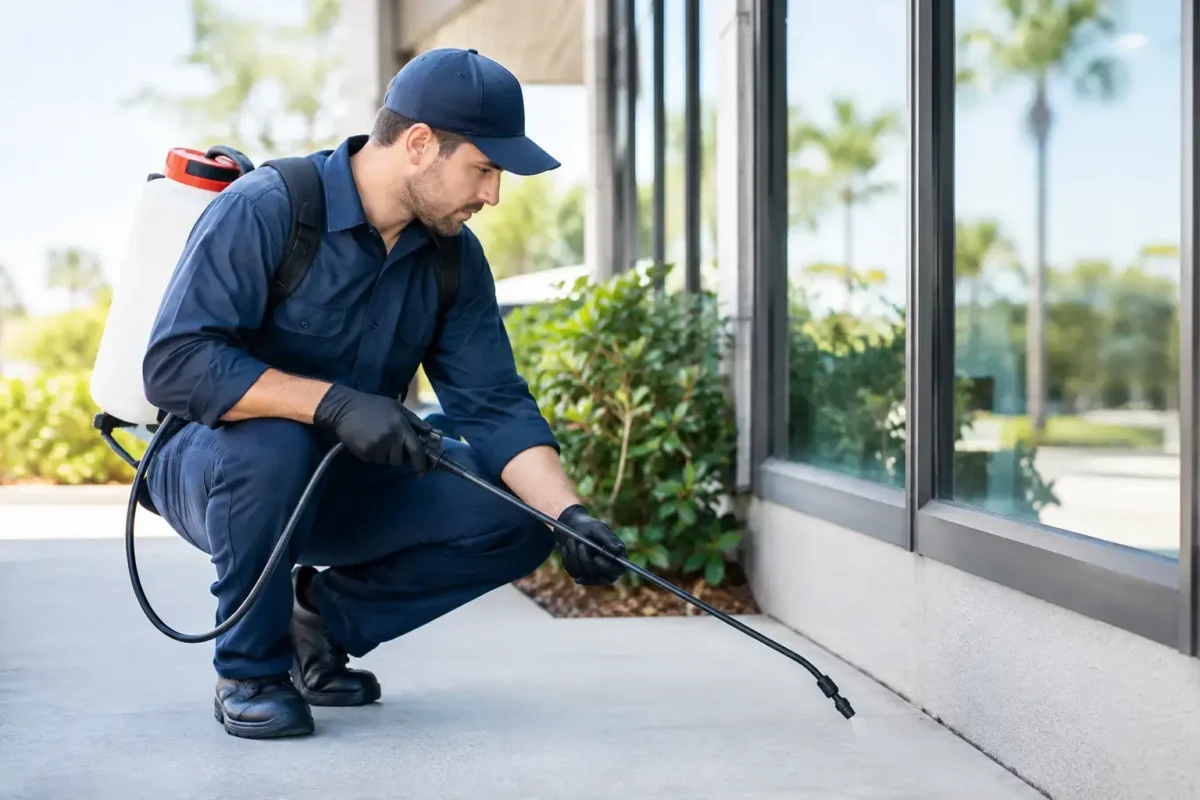
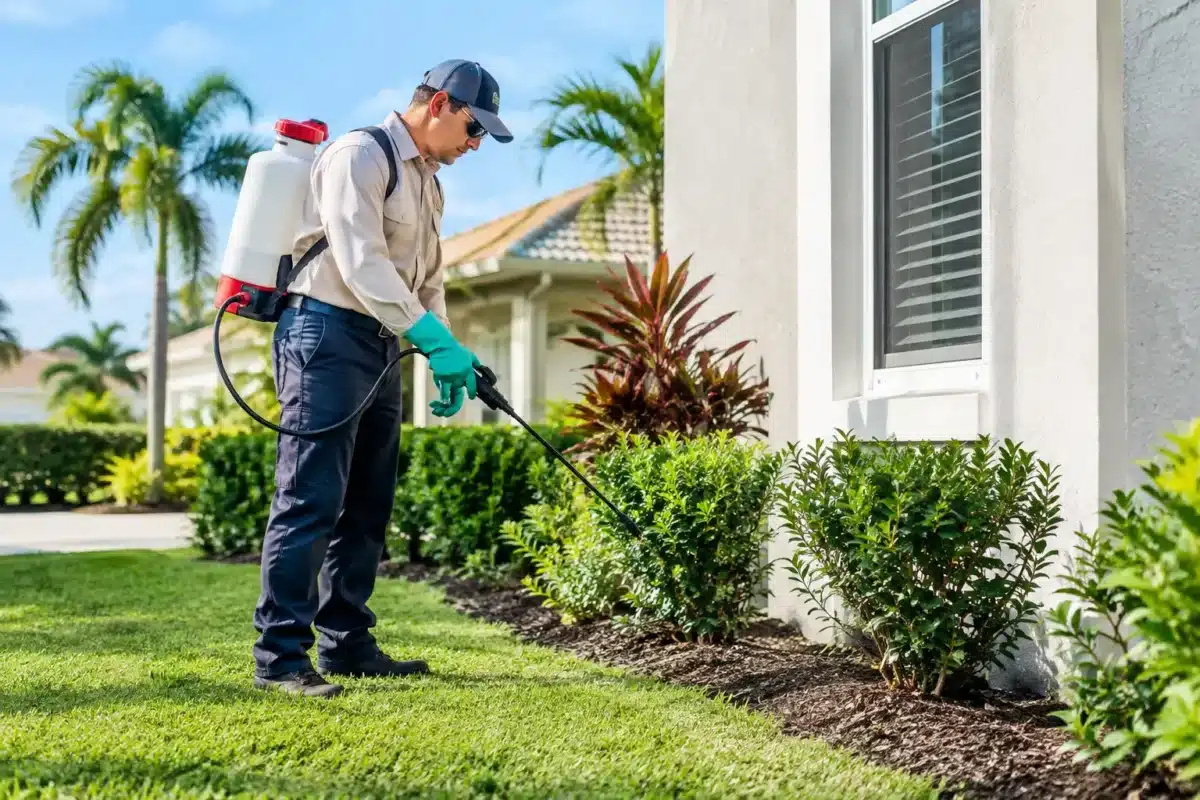
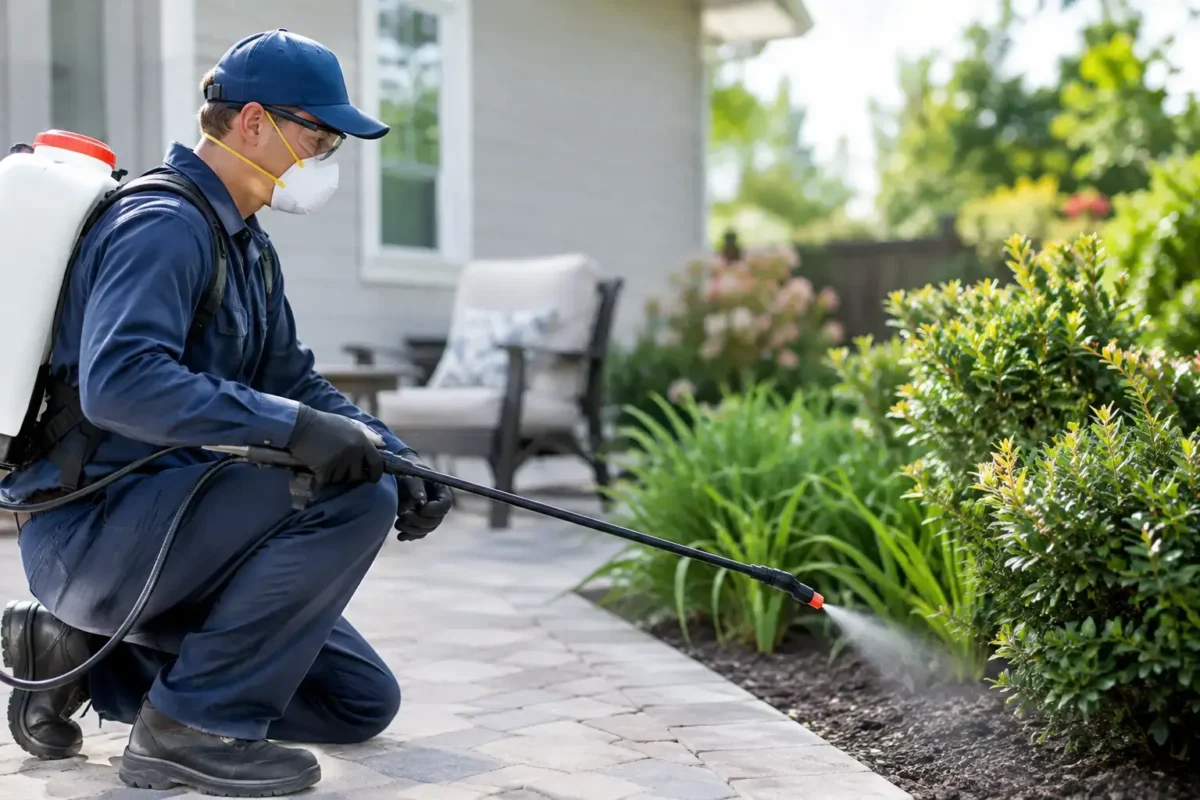
Targeted treatments are typically focused on mosquito resting areas, such as foliage and shaded perimeter zones. When appropriate, breeding sites may also be addressed with products selected for that use. A professional should explain where treatment is being applied, why those areas are being addressed, and what customers can do between visits to support control.

No responsible provider should promise that a property will never have another mosquito. Mosquitoes can fly in from neighboring properties, nearby woods, wetlands, and drainage areas. Weather can also change conditions fast. Regular, property-specific service is intended to reduce mosquito pressure and make outdoor spaces more usable, while prevention helps limit new breeding opportunities.

Treatment Timing Depends on the Property

Some properties benefit from seasonal recurring service, particularly during the warm, rainy months when mosquito activity is highest. Others may need help before an outdoor event, after prolonged rainfall, or when residents begin noticing regular biting activity.

The right schedule depends on the property’s layout, surrounding environment, landscaping, and use of outdoor areas. A family that spends most evenings by the pool may have different needs than a commercial property whose concern is a shaded employee entrance. Clear communication about those needs helps create a more practical treatment plan.

Steps That Help Between Professional Visits

Professional treatments work best when property owners also reduce standing water and maintain outdoor areas. These steps do not replace a mosquito service when activity is persistent, but they can make a meaningful difference.

Walk the property after rainfall and look for water that has remained for several days. Empty or refresh small water-holding containers as appropriate, including plant saucers, buckets, toys, wheelbarrows, and outdoor equipment. Keep gutters and downspouts clear so water can move away from the structure rather than collecting along the roofline or foundation.

Pay attention to items that are easy to miss. Tarps should be pulled tight or stored so they do not sag and hold water. Outdoor trash containers should be kept covered. If a birdbath is part of the landscape, refresh the water regularly. Swimming pools and spas should be properly maintained, while pool covers should be checked for pooled rainwater.

Landscaping also matters. Trim back overgrown vegetation near patios, walkways, doors, and play areas when practical. This does not mean removing every shrub or tree. It means reducing the dark, damp resting places that allow mosquitoes to linger close to where people spend time.

If drainage is a recurring problem, note where water collects and how long it stays. A pest professional can point out mosquito-related concerns, but larger grading, gutter, irrigation, or drainage repairs may require the appropriate property or landscape professional. Addressing the underlying water issue can be more valuable than repeatedly treating the same symptom.

When It Is Time to Schedule Service

It is reasonable to contact a professional when mosquitoes are interfering with normal use of your yard or commercial outdoor areas. Repeated bites around a patio, pool, playground, dog run, entrance, or outdoor dining space are signs that the property deserves a closer look.

You may also want service after heavy rainfall, before hosting an event, or when a newly developed or recently landscaped property begins attracting mosquitoes. New irrigation systems, fresh sod, construction materials, disturbed drainage patterns, and incomplete landscaping can all create temporary water-holding conditions.

For landlords and property managers, it is especially helpful to act when concerns are recurring rather than waiting for complaints to build. A consistent mosquito management plan can support more comfortable common areas and gives residents a clear point of contact when conditions change.

Questions to Ask Before Choosing a Provider

The quality of mosquito service often comes down to inspection, communication, and follow-through. Ask whether the provider will assess your property’s mosquito conditions, explain the treatment approach, and offer prevention recommendations that fit the site.

It is also fair to ask how weather affects scheduling, what areas will be treated, and whether you need to take any reasonable precautions before or after service. A professional provider should give clear, practical answers without relying on vague promises or one-size-fits-all recommendations.

Local experience matters because mosquito pressure in coastal Ponte Vedra Beach can look different from a wooded property in Fruit Cove or a growing neighborhood along State Road 210. The surrounding environment, drainage, vegetation, and outdoor lifestyle all affect the plan.

St. Johns Pest Control provides personalized mosquito management for residential and commercial properties throughout St. Johns County. As a family-owned local company, the team focuses on careful inspections, targeted service, and straightforward prevention advice based on the conditions around your property.

A comfortable outdoor space usually starts with small details: a clear gutter, a dry tarp, trimmed vegetation, and a plan for the next stretch of rainy weather. If mosquitoes are making those spaces difficult to enjoy, a professional inspection can help you move from guessing to a practical course of action.

Categories Latest News

Commercial Pest Management for Florida Businesses

Commercial Pest Management for Florida Businesses

A customer spotting a cockroach near a restroom, an employee hearing rodents in a ceiling, or flies gathering around a dumpster can become more than an inconvenience. Commercial pest management gives businesses a clear way to address those concerns before they affect daily operations, tenant satisfaction, inventory, or a property’s reputation.

For businesses in St. Johns County and across Northeast Florida, pest pressure is rarely limited to one season. Warm temperatures, humidity, afternoon rain, coastal conditions, landscaped properties, and steady development all create opportunities for insects and wildlife to find food, water, and shelter. A practical plan focuses on the specific property, the pest involved, and the conditions allowing activity to continue.

Why Commercial Properties Need a Different Approach

A commercial property has different risks than a single-family home. There may be more doors opening throughout the day, shared walls, loading areas, food storage, floor drains, utility penetrations, trash collection points, and high levels of foot traffic. A small pest issue can move quickly through a building or create concerns for multiple tenants.

The right service plan also depends on the type of business. A restaurant, medical office, retail shop, warehouse, apartment community, office building, school, and vacation rental each have different operating patterns and pest vulnerabilities. Treatment should support the way the business functions, not interrupt it unnecessarily.

For property managers and landlords, communication matters just as much as treatment. They need to know what was found, where pest activity is occurring, what actions are recommended, and whether maintenance or sanitation conditions need attention. Clear documentation and dependable follow-up help managers make informed decisions for their buildings and residents.

Common Commercial Pest Concerns in Northeast Florida

Florida businesses often deal with pests that thrive in moisture, heat, and accessible food sources. Ants and cockroaches may enter through tiny gaps, travel along plumbing lines, or establish activity around break rooms and storage spaces. Palmetto bugs are especially common around damp exterior areas, landscaping, utility rooms, and buildings with gaps around doors or pipes.

Rodents can create a different kind of concern. They may enter through damaged vents, roofline openings, gaps around utilities, or poorly sealed loading areas. Once inside, they can use wall voids, ceilings, and storage areas for shelter. Signs may include droppings, gnawing damage, unusual odors, nesting material, or sounds after business hours.

Flies can become a recurring issue around food, drains, trash enclosures, moisture, and organic buildup. Mosquitoes may affect employees and guests in outdoor seating areas, entrances, walkways, and community amenities after periods of rainfall. In some situations, nuisance wildlife such as raccoons, squirrels, opossums, or snakes may also require professional, humane attention around commercial grounds or structures.

Termites deserve special attention because their activity can remain hidden. Businesses and property managers should not wait for visible damage to think about termite prevention or inspections. Regular professional evaluation can help identify conditions that may increase the risk of termite activity around a structure.

What Effective Commercial Pest Management Looks Like

Professional pest management is more than applying a product when someone sees a bug. It begins with understanding the property. A thorough inspection looks for pest evidence, likely entry points, moisture issues, harborage areas, food sources, and conditions around the building that may be contributing to activity.

Identification comes next. Ants, cockroaches, flies, and rodents do not all respond to the same treatment strategy. Proper identification helps determine where to focus service and which preventive changes will make the biggest difference. Treating the visible symptom without addressing the source can lead to repeated calls and ongoing frustration.

A well-designed program generally includes targeted treatment, exclusion recommendations, sanitation guidance, and scheduled monitoring or maintenance when appropriate. The goal is to reduce current activity while making the property less inviting to pests over time. For a busy business, that often means coordinating service around operating hours, tenant needs, customer access, and sensitive areas.

Inspection Should Look Beyond the Interior

Interior treatment may be necessary, but many commercial pest problems begin outside. Overgrown vegetation against a building, standing water, overflowing dumpsters, cracked door sweeps, and gaps around utility lines can all contribute to pest pressure.

Exterior inspections should include entry doors, loading areas, rooflines, HVAC penetrations, trash and recycling areas, landscaping, drainage, and foundation conditions. At apartment communities or multi-tenant properties, common areas and exterior conditions can affect several units at once.

Prevention Is a Shared Responsibility

Even the most thorough treatment works better when building conditions support it. Business owners and staff do not need to become pest control experts, but a few routine habits can make a meaningful difference. Food should be stored in sealed containers where practical, spills should be cleaned promptly, and trash should be managed consistently.

Maintenance teams can help by repairing leaks, improving door seals, screening vents where appropriate, and addressing gaps around plumbing or utility access. Employees should know who to notify when they see pest activity so small concerns do not go unreported for weeks.

Choosing a Service Schedule That Fits the Property

There is no single schedule that suits every commercial building. A restaurant or food-focused facility may need closer monitoring than a professional office. A warehouse with frequent receiving activity may need strong attention to loading doors and stored materials. A property with recurring moisture issues may require more frequent service until the contributing conditions are corrected.

Season also matters in Northeast Florida. Rainy periods can increase mosquito activity and draw pests toward dry indoor shelter. Warmer months may bring more ants, cockroaches, flies, and outdoor pest pressure, while rodents may seek protected spaces when weather patterns change. Ongoing service allows a provider to adjust the plan as conditions change instead of relying on a one-time response.

For property managers, a scheduled program can also make budgeting and communication easier. It provides regular opportunities to inspect common problem areas, address new concerns, and document recommendations before a minor issue becomes a more disruptive one.

When to Call for Professional Help

A single pest sighting does not always mean there is a major infestation. However, repeated sightings, daytime cockroach activity, rodent droppings, persistent fly problems, damaged packaging, pest complaints from tenants, or evidence of termites should be evaluated promptly.

It is also wise to call when a business is preparing to open, taking over a new commercial space, renovating, or managing a property after a vacancy. These are useful times to inspect for existing pest conditions, identify entry points, and establish a prevention plan before normal operations are underway.

Avoid relying on repeated store-bought treatments as the only answer for a commercial problem. Those products may temporarily reduce what is visible while leaving the underlying source, entry point, or nesting area unaddressed. They can also complicate proper identification and treatment planning.

Local Service Makes a Practical Difference

Commercial properties in Ponte Vedra Beach, Nocatee, St. Augustine, and surrounding communities face pest challenges shaped by the local environment. Coastal humidity, heavy rain, irrigation, new construction, wooded lots, and high-traffic commercial areas all influence how and where pests become active.

St. Johns Pest Control provides property-specific commercial service with inspections, targeted treatment, prevention recommendations, and ongoing management options. As a family-owned local company, the focus is on honest communication and practical steps that help protect your building, employees, customers, and daily operations.

If pest activity is disrupting your business or raising concerns at a managed property, a professional inspection can provide a clear starting point. The best time to address a pest problem is when it is still manageable, with a plan built around the way your property actually operates.

Categories Latest News

Rodent Control That Protects Your Florida Property

Rodent Control That Protects Your Florida Property

A scratching sound above the ceiling after dark, small droppings beneath the kitchen sink, or a chewed bag in the pantry can turn a minor concern into a serious property issue quickly. Effective rodent control is not just about removing the rodents you see. It means finding how they got inside, addressing the conditions that attracted them, and helping prevent the next round of activity.

In St. Johns County, rodents can stay active throughout the year. Warm temperatures, seasonal rain, new construction, mature landscaping, and easy access to food and shelter all create opportunities around homes and businesses. A practical response protects your living space, stored goods, wiring, and peace of mind without relying on a one-size-fits-all approach.

Why Rodents Move Into Florida Properties

Rodents are looking for the same basics every property can unintentionally provide: food, water, shelter, and a protected route inside. A garage with pet food, a cluttered storage area, fallen fruit near the home, or a small opening around a utility line may be enough to bring them close.

When heavy rain arrives, rodents may leave wet outdoor harborage and look for higher, drier spaces. During cooler winter evenings, attics, wall voids, garages, and crawl spaces can become especially appealing. Coastal humidity and dense vegetation can also support rodent activity around properties in communities from Ponte Vedra Beach to St. Augustine.

The species and the property matter. Mice may enter through surprisingly small gaps and often remain close to food sources indoors. Rats may travel along fences, tree limbs, utility lines, and overgrown vegetation before reaching a structure. Roof rats, in particular, are strong climbers and may be found in attics or upper areas of a building.

Early Signs That Call for Rodent Control

Rodents are usually more active when people are not around, so the first sign is often evidence rather than a direct sighting. Fresh droppings, gnaw marks, shredded paper or insulation, grease marks along travel routes, and noises in walls or ceilings all deserve attention.

A stale or musky odor can develop when activity is established in an enclosed area. Pets may also focus on a particular cabinet, wall, attic access, or appliance area. For a commercial property, staff may notice damaged packaging, droppings in storage rooms, or activity near dumpsters and receiving areas.

It is wise to act early. A single mouse does not always mean a large infestation, but waiting for clear, repeated sightings gives rodents more time to nest, reproduce, and spread through hidden parts of the structure.

Droppings Need Careful Handling

Avoid sweeping or vacuuming dry rodent droppings, nesting material, or other suspected contamination. Disturbing dry material can send particles into the air. Keep children and pets away from the area, ventilate it when possible, and use appropriate protective measures or call a pest professional for guidance on safe cleanup.

The Three Parts of Effective Rodent Control

Reliable rodent management combines inspection, removal, exclusion, and prevention. Skipping one part often leaves the problem unfinished. For example, removing rodents without closing entry points can lead to new activity. Sealing gaps without addressing rodents already inside can create different issues within walls or attic spaces.

1. Find the Source of the Activity

A thorough inspection looks beyond the room where evidence was found. The goal is to identify likely entry points, nesting areas, food sources, water sources, and travel paths around the property.

On the exterior, common concern areas include garage door corners, damaged vents, roofline gaps, openings around plumbing and electrical penetrations, foundation cracks, and worn weatherstripping. On larger homes and commercial buildings, the inspection may also include storage areas, utility rooms, roof access points, trash collection areas, and loading zones.

This step is where local experience matters. A home in a wooded part of Fruit Cove may have different pressure than a newer property near active development in Nocatee or along State Road 210. The solution should follow the evidence at that particular property.

2. Remove Existing Rodent Activity Responsibly

Once the activity is understood, a professional can recommend an appropriate removal plan. Placement, monitoring, and follow-up matter because rodents do not move randomly through a structure. They tend to follow edges, established routes, and protected areas.

Homes with pets, children, or sensitive spaces need special consideration. The same is true for restaurants, offices, rental properties, and facilities that store products or equipment. A professional plan accounts for where activity is occurring and how the space is used, rather than treating every building the same way.

Avoid using improvised poisons or placing products where children, pets, or non-target wildlife could access them. Rodent issues sometimes overlap with nuisance wildlife concerns, and those situations require careful identification and lawful, humane handling.

3. Close the Door Behind Them

Exclusion is the long-term side of rodent control. It involves sealing or repairing the openings rodents use to access a structure, while maintaining necessary ventilation and drainage. This work may include repairing screens, improving door sweeps, sealing utility gaps, addressing damaged soffits, or correcting other vulnerable areas identified during inspection.

Tree limbs and shrubs should also be considered. Vegetation touching or overhanging the roof can give climbing rodents a convenient path to upper entry points. Keep plants maintained with clearance from the home where practical, and remove dense debris piles that create sheltered outdoor hiding areas.

Everyday Prevention That Makes a Difference

Prevention does not require turning a home into a fortress. Small, consistent housekeeping and maintenance habits can reduce the conditions that support rodent activity.

Keep pantry items, bird seed, pet food, and bulk goods in durable containers with secure lids. Clean crumbs and food residue from counters, under appliances, and in outdoor cooking areas. Take trash out regularly, keep garbage containers closed, and avoid allowing bags or boxes to accumulate beside the home.

Outside, manage fallen fruit, secure compost appropriately, and correct standing-water issues when possible. Store firewood, equipment, and other materials off the ground and away from the building. If you use a shed or garage for storage, periodic organization can make signs of activity much easier to spot.

For landlords and property managers, prevention also depends on communication. Residents and maintenance teams should know who to notify when they see droppings, hear noises, or find a gap around a pipe or door. Early reporting supports faster action and helps protect neighboring units in multi-family settings.

When Professional Help Is the Better Choice

Some prevention steps are simple for a property owner to handle, but established activity often needs a professional assessment. This is especially true when rodents are in an attic, wall void, crawl space, business storage area, or a location that is difficult to inspect safely.

A professional inspection can help distinguish rodent activity from other issues, identify the full scope of the concern, and recommend a practical path forward. It also gives you a clear explanation of what was found, what work is recommended, and which prevention steps will have the greatest value for your property.

St. Johns Pest Control provides property-specific rodent management for homes and businesses throughout St. Johns County. Our team focuses on careful inspection, targeted solutions, honest communication, and prevention recommendations suited to Northeast Florida conditions.

If you have noticed scratching, droppings, gnaw marks, or an unexplained odor, addressing it now is usually simpler than waiting for the evidence to grow. A thoughtful inspection can give you a clear next step and help keep your property better protected season after season.

Categories Latest News

Termite Control for Northeast Florida Homes

Termite Control for Northeast Florida Homes

A termite problem rarely begins with a dramatic warning. In many Northeast Florida homes, the first visible clue is a thin mud tube near the foundation, paint that appears to bubble, or wood that sounds hollow when tapped. By that point, termites may have already been feeding out of sight. Effective termite control starts with knowing what to look for, understanding why local conditions invite activity, and responding before a small concern becomes a costly repair.

St. Johns County’s warm temperatures, humidity, regular rainfall, and abundant wooded areas create favorable conditions for subterranean termites. Whether a property is in an established St. Augustine neighborhood, a newer Nocatee community, or near the coast in Ponte Vedra Beach, termites can find their way to a structure through soil, moisture, and small gaps around foundations and utility lines.

Why termites are active in Northeast Florida

Subterranean termites live in the soil and need moisture to survive. They travel through protected tunnels to reach wood and other cellulose materials in and around a building. That can include framing, trim, porch supports, fencing, stored lumber, cardboard, and wood debris left near the home.

Florida’s climate does not give termites a long winter slowdown like colder parts of the country. Activity can continue for much of the year, although swarming is often more noticeable during warm, humid periods, particularly after rain. A swarm does not necessarily mean termites are actively damaging the building, but it does mean a mature colony is nearby and deserves attention.

Coastal conditions can add another layer of risk. Wind-driven rain, high humidity, irrigation, and drainage issues can keep soil and structural areas damp. Older homes may have hidden moisture problems or construction details that make inspections more challenging. Newer homes are not automatically protected either. Landscaping, mulch, settling, and changes around the foundation can create termite-friendly conditions over time.

Signs that call for termite control

Termites work quietly, so visible signs can be subtle. Homeowners and property managers should pay attention to changes around the exterior, crawl space, garage, and interior walls rather than waiting for obvious structural damage.

Mud tubes are one of the clearest signs of subterranean termite activity. These pencil-sized shelter tubes may appear on foundation walls, piers, plumbing penetrations, garage walls, or other surfaces leading from the soil toward the structure. Termites use them to stay protected from dry air and predators while traveling.

Other warning signs include discarded wings near windowsills or doors, blistered or uneven paint, floors that feel soft or unusually uneven, and trim that crumbles or sounds hollow. Doors and windows that suddenly stick can also be worth investigating, although humidity and normal settling can cause similar problems. The point is not to self-diagnose from one symptom. It is to have suspicious conditions checked promptly.

A swarm of winged insects is commonly mistaken for flying ants. Termites generally have straight antennae, a thicker waist, and wings that are similar in length. Flying ants have elbowed antennae, a pinched waist, and front wings that are longer than their rear wings. If possible, save a few insects or take a clear photo for identification.

What professional termite control involves

A thorough termite inspection is more than a quick look around the outside of a house. A trained professional evaluates accessible areas where termites may enter, travel, or feed. That often includes the foundation, exterior walls, garage, attic access, crawl space when present, porches, interior areas showing possible damage, and locations with moisture or wood-to-soil contact.

The inspection should also consider the property itself. Mulch piled high against siding, leaking outdoor faucets, poor drainage, overgrown vegetation, and wooden elements in direct contact with soil may all affect risk. For commercial buildings and rental properties, inspections may also focus on utility rooms, storage areas, loading zones, and sections where moisture or maintenance concerns are more common.

Treatment recommendations depend on the construction of the structure, the termite evidence found, access conditions, and the extent of activity. A property may need a localized treatment, a soil treatment around key entry areas, a baiting approach, or another plan based on the inspection. There is no responsible one-size-fits-all answer.

For example, bait systems can provide ongoing monitoring and colony management when maintained correctly, while liquid treatments may be appropriate for creating a treated zone in certain situations. The right option involves trade-offs involving access, property design, monitoring needs, and the specific termite pressure around the building. A licensed professional should explain the findings and the recommended approach in plain language before treatment begins.

Prevention steps that make a real difference

No prevention step can make a property completely termite-proof, but reducing moisture and limiting hidden access can lower the chance of an unnoticed problem. Start by keeping gutters, downspouts, and grading directed away from the foundation. Repair leaking faucets, damaged irrigation heads, roof leaks, and plumbing issues as soon as possible.

Keep mulch, pine straw, and soil below the lower edge of siding or stucco weep areas. This helps make termite tubes easier to spot and reduces the chance that landscaping will bridge a gap between soil and structural materials. Avoid stacking firewood, lumber, cardboard, or yard debris directly against the home. Store those materials off the ground and away from the structure when practical.

Wooden fences, planters, porch posts, and deck components deserve regular attention. When wood stays in direct contact with soil, termites have an easier path to food. That does not mean every outdoor wood feature must be removed, but it should be maintained and checked regularly.

Inside, watch for persistent moisture under sinks, around tubs, near water heaters, and in laundry areas. Use ventilation where needed, and do not ignore a musty odor in a closet, crawl space, or utility area. Moisture attracts more than termites. It can also contribute to conditions that support other pests and wood-damaging fungi.

Why annual termite inspections are worth scheduling

An annual inspection gives property owners a chance to catch early evidence before damage becomes more extensive. It also creates an opportunity to identify changing conditions, such as new landscaping, drainage changes, renovations, or moisture concerns that could affect the property’s risk.

For landlords and property managers, regular inspections can be especially useful between tenants or before major maintenance work. Termite activity can be hidden behind walls, inside storage areas, or beneath flooring, and an occupied building may not reveal every concern right away. A documented inspection schedule supports more proactive property care.

If a home has had termite treatment in the past, continuing inspections are still valuable. Treatments and monitoring programs need appropriate follow-up, and property conditions can change from year to year. The goal is not simply to react to damage. It is to maintain a clear picture of what is happening around the structure.

When to call for help

Call for a termite inspection if you find mud tubes, discarded wings, damaged wood, or unexplained moisture near structural areas. It is also wise to schedule an inspection before purchasing a home, beginning a major renovation, or when you have concerns about an older structure.

St. Johns Pest Control provides property-specific termite inspections and treatment recommendations for homeowners, landlords, property managers, and businesses throughout St. Johns County. Clear answers matter when protecting a home or building investment, and the best next step is often a careful inspection rather than guesswork.

A termite issue does not need to become a reason to panic. Paying attention to early signs, correcting moisture concerns, and arranging professional help when something looks unusual can protect both the structure and your peace of mind.

Categories Latest News

Pest Control St Johns FL for Florida Homes

Pest Control St Johns FL for Florida Homes

A trail of ants across the kitchen counter, a roach sighting after dark, or mosquitoes taking over the patio can turn a comfortable property into a daily frustration. Effective pest control St Johns FL residents can rely on starts with more than spraying what is visible. It means identifying the pest, finding what is drawing it in, and treating the conditions that allow activity to continue.

In St. Johns County, pests have a long active season. Warm temperatures, heavy rain, humidity, dense landscaping, retention ponds, and new construction can all create favorable conditions for insects, rodents, and wildlife. A treatment plan that works for one home or business may not be the right fit for another. The best approach is property-specific, practical, and focused on lasting prevention.

Pest Control St Johns FL: Why Local Conditions Matter

Northeast Florida does not offer pests much of an offseason. Ants can stay active for much of the year, cockroaches seek indoor moisture and shelter, termites feed quietly behind walls, and mosquitoes reproduce quickly after rain. Even a clean property can develop a pest issue when weather, landscaping, construction gaps, or nearby water create the right conditions.

That is why a quick, one-size-fits-all application often falls short. If ants are entering through a gap around a utility line, treating only the kitchen may provide temporary relief without stopping the colony’s access point. If roaches are finding moisture beneath a sink or behind appliances, the source needs attention along with a professional treatment.

For homeowners, the goal is to protect the comfort and cleanliness of the home. For property managers and business owners, pest activity can also affect tenants, employees, guests, inventory, inspections, and the reputation of the property. A dependable program should account for the building, its use, and the pest pressure around it.

What a Professional Pest Inspection Should Find

A thorough inspection is the foundation of sound pest management. Before treatment, a technician should look beyond the pest that was reported and examine the conditions that may be supporting activity.

That may include checking entry points around doors, windows, plumbing penetrations, attic vents, soffits, and garage seals. Inside, the inspection can reveal moisture issues, food sources, hidden harborages, droppings, nesting material, or signs of insect trails. Around the exterior, landscaping, mulch, standing water, drainage patterns, wood-to-soil contact, and tree limbs near the roof can all matter.

Pest identification is equally important. Different ants require different treatment strategies. A large roach coming in from outdoors is not managed the same way as a breeding population inside a kitchen or utility area. Rodents, termites, bed bugs, mosquitoes, and nuisance wildlife each require their own methods, products, and follow-up expectations.

Clear communication should follow the inspection. Property owners deserve to know what was found, where the activity is occurring, what treatment is recommended, and what prevention steps can make the treatment more effective.

Common Pest Problems Around St. Johns County

Ants, Roaches, Spiders, and Household Invaders

General household pests are often the reason people first call for service. Ants may follow moisture or food into kitchens and bathrooms. Cockroaches can be drawn to warm, humid hiding areas near plumbing, appliances, and clutter. Spiders may increase when other insects are available as prey around the structure.

Professional-grade products and targeted placement can reduce active populations while limiting unnecessary treatment. The right plan may include exterior barriers, crack-and-crevice treatment, baiting, monitoring, and recommendations to reduce moisture and accessible food. Ongoing service is often helpful in Florida because seasonal conditions can bring fresh pest pressure even after an initial infestation is resolved.

Termites and Wood-Destroying Pests

Termites are different from a nuisance pest because the damage can remain hidden for a long time. Subterranean termites typically travel from the soil into a structure through protected pathways, sometimes using mud tubes along foundations, plumbing areas, or other concealed routes. By the time damage is visible, activity may have been present for months or longer.

A termite inspection looks for evidence of current activity, vulnerable construction details, moisture conditions, and areas where wood contacts soil. Treatment options depend on the structure, the termite species, the extent of activity, and the property layout. The important point is not to wait for obvious damage. Regular inspections help catch concerns earlier and give homeowners a clearer picture of what is happening around their investment.

Rodents and Nuisance Wildlife

A scratching sound in the attic or droppings in a garage should be addressed promptly. Rodents can contaminate stored food, damage insulation, chew wiring, and reproduce quickly. Wildlife such as squirrels, raccoons, or other animals may enter attics, crawl spaces, sheds, or roofline openings when access is available.

Removal alone is rarely the complete answer. Humane wildlife rescue and rodent management should be paired with exclusion work whenever possible. Sealing access points, repairing damaged screens, securing vents, and correcting gaps can reduce the chance that another animal takes the same route indoors.

Mosquitoes and Outdoor Comfort

Mosquitoes can make a backyard, pool area, or commercial outdoor space difficult to enjoy. In St. Johns County, rain and humidity can create ideal breeding conditions, especially where water collects in containers, clogged gutters, plant trays, tarps, or low areas of the yard.

Mosquito control works best as a combined effort. Professional treatment can target resting and breeding areas, while property owners can help by removing standing water and keeping vegetation trimmed. Properties near ponds, marshy areas, or dense vegetation may need more consistent service than properties with less surrounding habitat.

Bed Bugs Require a Precise Response

Bed bugs are not a cleanliness issue. They can arrive through luggage, used furniture, shared living environments, or other travel and visitor activity. Because they hide in seams, cracks, furniture, and wall voids, do-it-yourself sprays often scatter the problem instead of eliminating it.

A professional bed bug plan should include a detailed inspection, a treatment method suited to the level of activity, and clear preparation instructions. Follow-up matters because eggs and hidden insects can complicate treatment if the process is not handled carefully.

Prevention Steps That Make Treatment Last

Professional pest control is stronger when property conditions support it. Homeowners and business owners do not need to make a property perfect before scheduling service, but a few practical habits can reduce pest pressure between visits.

Keep food in sealed containers, clean up spills promptly, and avoid leaving pet food out overnight when possible. Repair plumbing leaks, improve drainage around the structure, and keep gutters flowing away from the building. Trim shrubs and tree branches back from exterior walls and rooflines, and avoid piling mulch too high against the foundation.

Doors, screens, vents, and utility openings deserve attention as well. A small gap can be enough for ants, roaches, rodents, or wildlife to enter. Exclusion is especially valuable because it addresses the route pests use rather than only the pests currently inside.

There are trade-offs. Sealing every opening without considering ventilation can create moisture concerns, and aggressive landscaping changes may not be necessary for every property. A local pest professional can help prioritize the repairs and prevention steps that will make the biggest difference.

When One Treatment Is Enough and When Ongoing Service Helps

Some pest issues are isolated. A wasp nest, a single wildlife entry point, or an ant flare-up after heavy rain may be resolved with a focused treatment and practical prevention advice. Other conditions call for regular protection.

Recurring general pest service is often a sensible choice for homes and businesses with ongoing exterior pressure, frequent roach or ant activity, dense surrounding vegetation, or a history of seasonal pest problems. Regular visits allow technicians to monitor changes, adjust treatments, and catch developing concerns before they become disruptive.

At St. Johns Pest Control, licensed and insured professionals take a targeted approach based on the property and the pest problem at hand. That means honest recommendations, professional-grade treatment methods, and prevention guidance that fits how you use your home or business.

If pests are affecting your comfort, your property, or your peace of mind, do not wait for the problem to grow. A careful inspection and a clear plan can turn a frustrating pest issue into a manageable next step.