
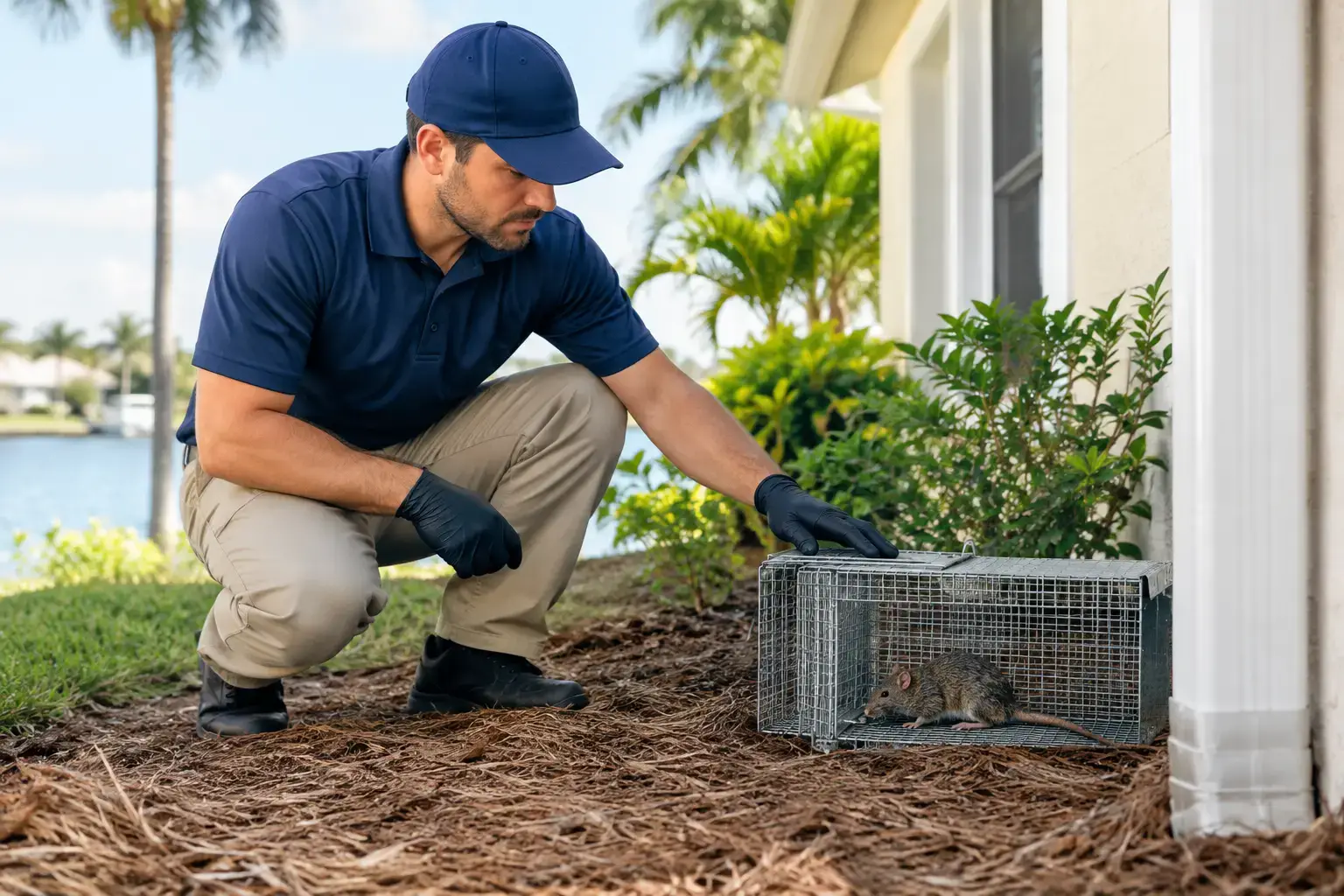

A scratching sound above the ceiling after dark, small droppings beneath the kitchen sink, or a chewed bag in the pantry can turn a minor concern into a serious property issue quickly. Effective rodent control is not just about removing the rodents you see. It means finding how they got inside, addressing the conditions that attracted them, and helping prevent the next round of activity.
In St. Johns County, rodents can stay active throughout the year. Warm temperatures, seasonal rain, new construction, mature landscaping, and easy access to food and shelter all create opportunities around homes and businesses. A practical response protects your living space, stored goods, wiring, and peace of mind without relying on a one-size-fits-all approach.
Why Rodents Move Into Florida Properties
Rodents are looking for the same basics every property can unintentionally provide: food, water, shelter, and a protected route inside. A garage with pet food, a cluttered storage area, fallen fruit near the home, or a small opening around a utility line may be enough to bring them close.
When heavy rain arrives, rodents may leave wet outdoor harborage and look for higher, drier spaces. During cooler winter evenings, attics, wall voids, garages, and crawl spaces can become especially appealing. Coastal humidity and dense vegetation can also support rodent activity around properties in communities from Ponte Vedra Beach to St. Augustine.
The species and the property matter. Mice may enter through surprisingly small gaps and often remain close to food sources indoors. Rats may travel along fences, tree limbs, utility lines, and overgrown vegetation before reaching a structure. Roof rats, in particular, are strong climbers and may be found in attics or upper areas of a building.
Early Signs That Call for Rodent Control
Rodents are usually more active when people are not around, so the first sign is often evidence rather than a direct sighting. Fresh droppings, gnaw marks, shredded paper or insulation, grease marks along travel routes, and noises in walls or ceilings all deserve attention.
A stale or musky odor can develop when activity is established in an enclosed area. Pets may also focus on a particular cabinet, wall, attic access, or appliance area. For a commercial property, staff may notice damaged packaging, droppings in storage rooms, or activity near dumpsters and receiving areas.
It is wise to act early. A single mouse does not always mean a large infestation, but waiting for clear, repeated sightings gives rodents more time to nest, reproduce, and spread through hidden parts of the structure.
Droppings Need Careful Handling
Avoid sweeping or vacuuming dry rodent droppings, nesting material, or other suspected contamination. Disturbing dry material can send particles into the air. Keep children and pets away from the area, ventilate it when possible, and use appropriate protective measures or call a pest professional for guidance on safe cleanup.
The Three Parts of Effective Rodent Control
Reliable rodent management combines inspection, removal, exclusion, and prevention. Skipping one part often leaves the problem unfinished. For example, removing rodents without closing entry points can lead to new activity. Sealing gaps without addressing rodents already inside can create different issues within walls or attic spaces.
1. Find the Source of the Activity
A thorough inspection looks beyond the room where evidence was found. The goal is to identify likely entry points, nesting areas, food sources, water sources, and travel paths around the property.
On the exterior, common concern areas include garage door corners, damaged vents, roofline gaps, openings around plumbing and electrical penetrations, foundation cracks, and worn weatherstripping. On larger homes and commercial buildings, the inspection may also include storage areas, utility rooms, roof access points, trash collection areas, and loading zones.
This step is where local experience matters. A home in a wooded part of Fruit Cove may have different pressure than a newer property near active development in Nocatee or along State Road 210. The solution should follow the evidence at that particular property.
2. Remove Existing Rodent Activity Responsibly
Once the activity is understood, a professional can recommend an appropriate removal plan. Placement, monitoring, and follow-up matter because rodents do not move randomly through a structure. They tend to follow edges, established routes, and protected areas.
Homes with pets, children, or sensitive spaces need special consideration. The same is true for restaurants, offices, rental properties, and facilities that store products or equipment. A professional plan accounts for where activity is occurring and how the space is used, rather than treating every building the same way.
Avoid using improvised poisons or placing products where children, pets, or non-target wildlife could access them. Rodent issues sometimes overlap with nuisance wildlife concerns, and those situations require careful identification and lawful, humane handling.
3. Close the Door Behind Them
Exclusion is the long-term side of rodent control. It involves sealing or repairing the openings rodents use to access a structure, while maintaining necessary ventilation and drainage. This work may include repairing screens, improving door sweeps, sealing utility gaps, addressing damaged soffits, or correcting other vulnerable areas identified during inspection.
Tree limbs and shrubs should also be considered. Vegetation touching or overhanging the roof can give climbing rodents a convenient path to upper entry points. Keep plants maintained with clearance from the home where practical, and remove dense debris piles that create sheltered outdoor hiding areas.
Everyday Prevention That Makes a Difference
Prevention does not require turning a home into a fortress. Small, consistent housekeeping and maintenance habits can reduce the conditions that support rodent activity.
Keep pantry items, bird seed, pet food, and bulk goods in durable containers with secure lids. Clean crumbs and food residue from counters, under appliances, and in outdoor cooking areas. Take trash out regularly, keep garbage containers closed, and avoid allowing bags or boxes to accumulate beside the home.
Outside, manage fallen fruit, secure compost appropriately, and correct standing-water issues when possible. Store firewood, equipment, and other materials off the ground and away from the building. If you use a shed or garage for storage, periodic organization can make signs of activity much easier to spot.
For landlords and property managers, prevention also depends on communication. Residents and maintenance teams should know who to notify when they see droppings, hear noises, or find a gap around a pipe or door. Early reporting supports faster action and helps protect neighboring units in multi-family settings.
When Professional Help Is the Better Choice
Some prevention steps are simple for a property owner to handle, but established activity often needs a professional assessment. This is especially true when rodents are in an attic, wall void, crawl space, business storage area, or a location that is difficult to inspect safely.
A professional inspection can help distinguish rodent activity from other issues, identify the full scope of the concern, and recommend a practical path forward. It also gives you a clear explanation of what was found, what work is recommended, and which prevention steps will have the greatest value for your property.
St. Johns Pest Control provides property-specific rodent management for homes and businesses throughout St. Johns County. Our team focuses on careful inspection, targeted solutions, honest communication, and prevention recommendations suited to Northeast Florida conditions.
If you have noticed scratching, droppings, gnaw marks, or an unexplained odor, addressing it now is usually simpler than waiting for the evidence to grow. A thoughtful inspection can give you a clear next step and help keep your property better protected season after season.