
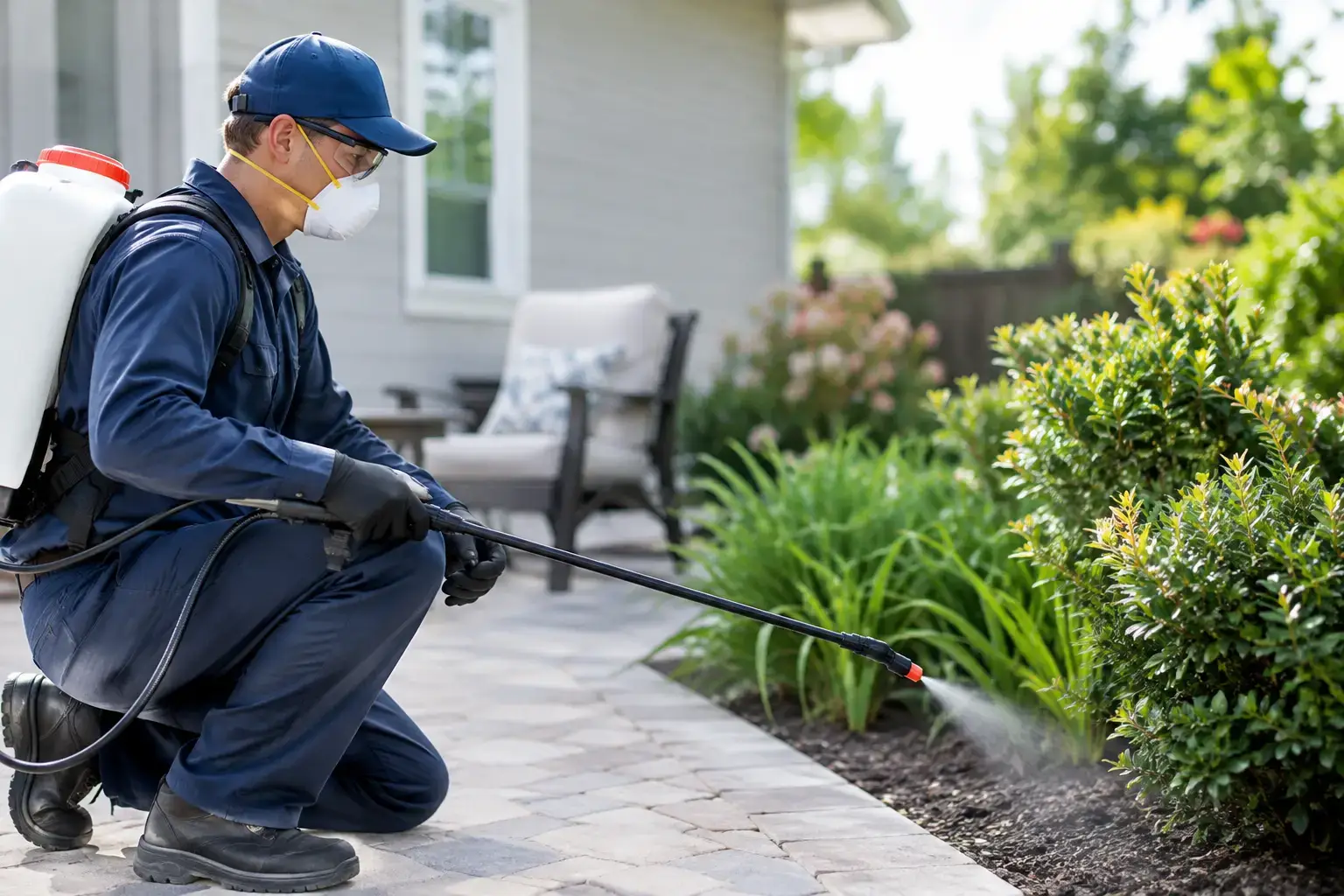

A mosquito control service can make a noticeable difference when mosquitoes are keeping your family, guests, tenants, or customers from comfortably using an outdoor space. In St. Johns County, warm temperatures, humid air, seasonal rain, shaded landscaping, and coastal conditions can support mosquito activity for much of the year. The right response is not simply spraying the yard. It starts with understanding where mosquitoes are resting and breeding around your specific property.
For homeowners, the issue may show up when stepping outside to grill dinner, walk the dog, or enjoy the pool. For property managers and business owners, mosquitoes can become an ongoing complaint around entryways, patios, common areas, dumpsters, and landscaped grounds. A professional approach combines targeted treatment with practical steps that reduce the conditions mosquitoes need.
Why Mosquito Problems Persist in Northeast Florida
Mosquitoes need moisture to reproduce, but that does not always mean a large pond or obvious puddle. Small, overlooked water sources can be enough. A clogged gutter, a planter saucer, a child’s toy, a tarp that holds rainwater, or a neglected birdbath may contribute to mosquito activity near a home.
Northeast Florida properties also offer plenty of protected resting spots. Adult mosquitoes often shelter in dense shrubs, under decks, around shaded patios, in ornamental grasses, and along damp landscape borders during the heat of the day. A property can look clean and well maintained while still providing the shade and moisture mosquitoes prefer.
Rain changes the picture quickly. After a summer storm in communities from Nocatee to St. Augustine, temporary water can collect in places that were dry only a day earlier. Homes near wooded areas, drainage features, marshy ground, or retention ponds may face added pressure, but even a small suburban lot can have a mosquito problem if water and harborage are available.
What a Mosquito Control Service Should Do
A thoughtful mosquito control service begins with an inspection of the outdoor areas where mosquitoes are likely to rest, breed, and bother people. The goal is to identify the conditions driving activity, not treat every part of the property the same way.
A technician may look at landscaping density, drainage, gutters, containers, irrigation patterns, outdoor storage, pool areas, and other features that hold water or provide shade. The findings matter because a large, heavily landscaped yard may need a different plan than a townhome patio, restaurant courtyard, apartment community, or waterfront property.
Targeted treatments are typically focused on mosquito resting areas, such as foliage and shaded perimeter zones. When appropriate, breeding sites may also be addressed with products selected for that use. A professional should explain where treatment is being applied, why those areas are being addressed, and what customers can do between visits to support control.
No responsible provider should promise that a property will never have another mosquito. Mosquitoes can fly in from neighboring properties, nearby woods, wetlands, and drainage areas. Weather can also change conditions fast. Regular, property-specific service is intended to reduce mosquito pressure and make outdoor spaces more usable, while prevention helps limit new breeding opportunities.
Treatment Timing Depends on the Property
Some properties benefit from seasonal recurring service, particularly during the warm, rainy months when mosquito activity is highest. Others may need help before an outdoor event, after prolonged rainfall, or when residents begin noticing regular biting activity.
The right schedule depends on the property’s layout, surrounding environment, landscaping, and use of outdoor areas. A family that spends most evenings by the pool may have different needs than a commercial property whose concern is a shaded employee entrance. Clear communication about those needs helps create a more practical treatment plan.
Steps That Help Between Professional Visits
Professional treatments work best when property owners also reduce standing water and maintain outdoor areas. These steps do not replace a mosquito service when activity is persistent, but they can make a meaningful difference.
Walk the property after rainfall and look for water that has remained for several days. Empty or refresh small water-holding containers as appropriate, including plant saucers, buckets, toys, wheelbarrows, and outdoor equipment. Keep gutters and downspouts clear so water can move away from the structure rather than collecting along the roofline or foundation.
Pay attention to items that are easy to miss. Tarps should be pulled tight or stored so they do not sag and hold water. Outdoor trash containers should be kept covered. If a birdbath is part of the landscape, refresh the water regularly. Swimming pools and spas should be properly maintained, while pool covers should be checked for pooled rainwater.
Landscaping also matters. Trim back overgrown vegetation near patios, walkways, doors, and play areas when practical. This does not mean removing every shrub or tree. It means reducing the dark, damp resting places that allow mosquitoes to linger close to where people spend time.
If drainage is a recurring problem, note where water collects and how long it stays. A pest professional can point out mosquito-related concerns, but larger grading, gutter, irrigation, or drainage repairs may require the appropriate property or landscape professional. Addressing the underlying water issue can be more valuable than repeatedly treating the same symptom.
When It Is Time to Schedule Service
It is reasonable to contact a professional when mosquitoes are interfering with normal use of your yard or commercial outdoor areas. Repeated bites around a patio, pool, playground, dog run, entrance, or outdoor dining space are signs that the property deserves a closer look.
You may also want service after heavy rainfall, before hosting an event, or when a newly developed or recently landscaped property begins attracting mosquitoes. New irrigation systems, fresh sod, construction materials, disturbed drainage patterns, and incomplete landscaping can all create temporary water-holding conditions.
For landlords and property managers, it is especially helpful to act when concerns are recurring rather than waiting for complaints to build. A consistent mosquito management plan can support more comfortable common areas and gives residents a clear point of contact when conditions change.
Questions to Ask Before Choosing a Provider
The quality of mosquito service often comes down to inspection, communication, and follow-through. Ask whether the provider will assess your property’s mosquito conditions, explain the treatment approach, and offer prevention recommendations that fit the site.
It is also fair to ask how weather affects scheduling, what areas will be treated, and whether you need to take any reasonable precautions before or after service. A professional provider should give clear, practical answers without relying on vague promises or one-size-fits-all recommendations.
Local experience matters because mosquito pressure in coastal Ponte Vedra Beach can look different from a wooded property in Fruit Cove or a growing neighborhood along State Road 210. The surrounding environment, drainage, vegetation, and outdoor lifestyle all affect the plan.
St. Johns Pest Control provides personalized mosquito management for residential and commercial properties throughout St. Johns County. As a family-owned local company, the team focuses on careful inspections, targeted service, and straightforward prevention advice based on the conditions around your property.
A comfortable outdoor space usually starts with small details: a clear gutter, a dry tarp, trimmed vegetation, and a plan for the next stretch of rainy weather. If mosquitoes are making those spaces difficult to enjoy, a professional inspection can help you move from guessing to a practical course of action.