
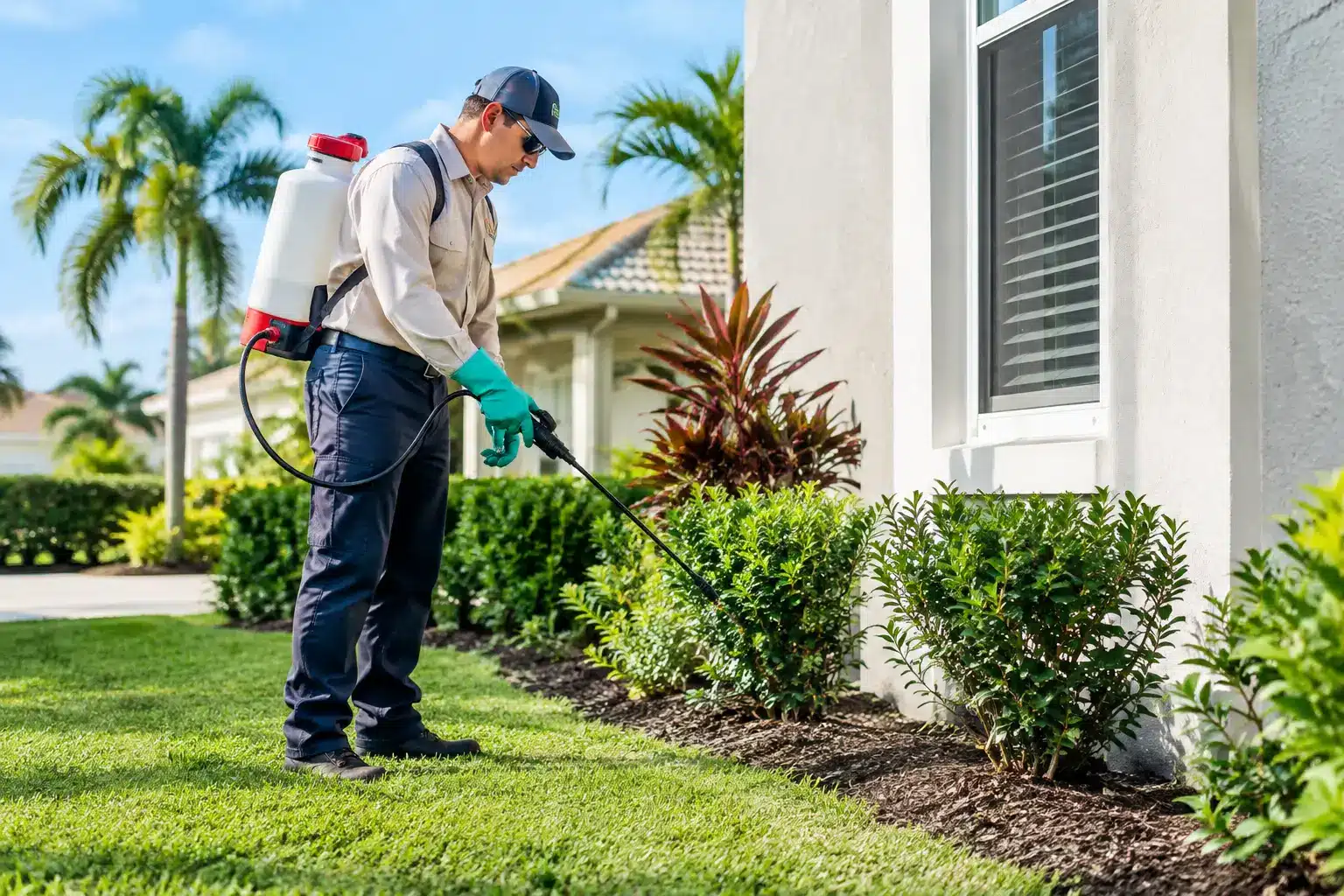

A trail of ants across the kitchen counter, a roach sighting after dark, or mosquitoes taking over the patio can turn a comfortable property into a daily frustration. Effective pest control St Johns FL residents can rely on starts with more than spraying what is visible. It means identifying the pest, finding what is drawing it in, and treating the conditions that allow activity to continue.
In St. Johns County, pests have a long active season. Warm temperatures, heavy rain, humidity, dense landscaping, retention ponds, and new construction can all create favorable conditions for insects, rodents, and wildlife. A treatment plan that works for one home or business may not be the right fit for another. The best approach is property-specific, practical, and focused on lasting prevention.
Pest Control St Johns FL: Why Local Conditions Matter
Northeast Florida does not offer pests much of an offseason. Ants can stay active for much of the year, cockroaches seek indoor moisture and shelter, termites feed quietly behind walls, and mosquitoes reproduce quickly after rain. Even a clean property can develop a pest issue when weather, landscaping, construction gaps, or nearby water create the right conditions.
That is why a quick, one-size-fits-all application often falls short. If ants are entering through a gap around a utility line, treating only the kitchen may provide temporary relief without stopping the colony’s access point. If roaches are finding moisture beneath a sink or behind appliances, the source needs attention along with a professional treatment.
For homeowners, the goal is to protect the comfort and cleanliness of the home. For property managers and business owners, pest activity can also affect tenants, employees, guests, inventory, inspections, and the reputation of the property. A dependable program should account for the building, its use, and the pest pressure around it.
What a Professional Pest Inspection Should Find
A thorough inspection is the foundation of sound pest management. Before treatment, a technician should look beyond the pest that was reported and examine the conditions that may be supporting activity.
That may include checking entry points around doors, windows, plumbing penetrations, attic vents, soffits, and garage seals. Inside, the inspection can reveal moisture issues, food sources, hidden harborages, droppings, nesting material, or signs of insect trails. Around the exterior, landscaping, mulch, standing water, drainage patterns, wood-to-soil contact, and tree limbs near the roof can all matter.
Pest identification is equally important. Different ants require different treatment strategies. A large roach coming in from outdoors is not managed the same way as a breeding population inside a kitchen or utility area. Rodents, termites, bed bugs, mosquitoes, and nuisance wildlife each require their own methods, products, and follow-up expectations.
Clear communication should follow the inspection. Property owners deserve to know what was found, where the activity is occurring, what treatment is recommended, and what prevention steps can make the treatment more effective.
Common Pest Problems Around St. Johns County
Ants, Roaches, Spiders, and Household Invaders
General household pests are often the reason people first call for service. Ants may follow moisture or food into kitchens and bathrooms. Cockroaches can be drawn to warm, humid hiding areas near plumbing, appliances, and clutter. Spiders may increase when other insects are available as prey around the structure.
Professional-grade products and targeted placement can reduce active populations while limiting unnecessary treatment. The right plan may include exterior barriers, crack-and-crevice treatment, baiting, monitoring, and recommendations to reduce moisture and accessible food. Ongoing service is often helpful in Florida because seasonal conditions can bring fresh pest pressure even after an initial infestation is resolved.
Termites and Wood-Destroying Pests
Termites are different from a nuisance pest because the damage can remain hidden for a long time. Subterranean termites typically travel from the soil into a structure through protected pathways, sometimes using mud tubes along foundations, plumbing areas, or other concealed routes. By the time damage is visible, activity may have been present for months or longer.
A termite inspection looks for evidence of current activity, vulnerable construction details, moisture conditions, and areas where wood contacts soil. Treatment options depend on the structure, the termite species, the extent of activity, and the property layout. The important point is not to wait for obvious damage. Regular inspections help catch concerns earlier and give homeowners a clearer picture of what is happening around their investment.
Rodents and Nuisance Wildlife
A scratching sound in the attic or droppings in a garage should be addressed promptly. Rodents can contaminate stored food, damage insulation, chew wiring, and reproduce quickly. Wildlife such as squirrels, raccoons, or other animals may enter attics, crawl spaces, sheds, or roofline openings when access is available.
Removal alone is rarely the complete answer. Humane wildlife rescue and rodent management should be paired with exclusion work whenever possible. Sealing access points, repairing damaged screens, securing vents, and correcting gaps can reduce the chance that another animal takes the same route indoors.
Mosquitoes and Outdoor Comfort
Mosquitoes can make a backyard, pool area, or commercial outdoor space difficult to enjoy. In St. Johns County, rain and humidity can create ideal breeding conditions, especially where water collects in containers, clogged gutters, plant trays, tarps, or low areas of the yard.
Mosquito control works best as a combined effort. Professional treatment can target resting and breeding areas, while property owners can help by removing standing water and keeping vegetation trimmed. Properties near ponds, marshy areas, or dense vegetation may need more consistent service than properties with less surrounding habitat.
Bed Bugs Require a Precise Response
Bed bugs are not a cleanliness issue. They can arrive through luggage, used furniture, shared living environments, or other travel and visitor activity. Because they hide in seams, cracks, furniture, and wall voids, do-it-yourself sprays often scatter the problem instead of eliminating it.
A professional bed bug plan should include a detailed inspection, a treatment method suited to the level of activity, and clear preparation instructions. Follow-up matters because eggs and hidden insects can complicate treatment if the process is not handled carefully.
Prevention Steps That Make Treatment Last
Professional pest control is stronger when property conditions support it. Homeowners and business owners do not need to make a property perfect before scheduling service, but a few practical habits can reduce pest pressure between visits.
Keep food in sealed containers, clean up spills promptly, and avoid leaving pet food out overnight when possible. Repair plumbing leaks, improve drainage around the structure, and keep gutters flowing away from the building. Trim shrubs and tree branches back from exterior walls and rooflines, and avoid piling mulch too high against the foundation.
Doors, screens, vents, and utility openings deserve attention as well. A small gap can be enough for ants, roaches, rodents, or wildlife to enter. Exclusion is especially valuable because it addresses the route pests use rather than only the pests currently inside.
There are trade-offs. Sealing every opening without considering ventilation can create moisture concerns, and aggressive landscaping changes may not be necessary for every property. A local pest professional can help prioritize the repairs and prevention steps that will make the biggest difference.
When One Treatment Is Enough and When Ongoing Service Helps
Some pest issues are isolated. A wasp nest, a single wildlife entry point, or an ant flare-up after heavy rain may be resolved with a focused treatment and practical prevention advice. Other conditions call for regular protection.
Recurring general pest service is often a sensible choice for homes and businesses with ongoing exterior pressure, frequent roach or ant activity, dense surrounding vegetation, or a history of seasonal pest problems. Regular visits allow technicians to monitor changes, adjust treatments, and catch developing concerns before they become disruptive.
At St. Johns Pest Control, licensed and insured professionals take a targeted approach based on the property and the pest problem at hand. That means honest recommendations, professional-grade treatment methods, and prevention guidance that fits how you use your home or business.
If pests are affecting your comfort, your property, or your peace of mind, do not wait for the problem to grow. A careful inspection and a clear plan can turn a frustrating pest issue into a manageable next step.